Morningside helps organizations develop and evaluate multilingual AI systems with language-focused data services, human validation, and quality expertise. Our approach combines multilingual data collection, annotation, linguistic review, evaluation, and benchmarking to help organizations build AI datasets that reflect the languages, terminology, and content requirements of their applications.
From preparing multilingual training data to validating AI-generated outputs and evaluating dataset quality, Morningside helps organizations incorporate language expertise and human oversight into the AI development process. Our global network of linguists and subject matter experts provides the linguistic foundation needed to collect, annotate, validate, and evaluate multilingual AI data across specialized fields and languages.

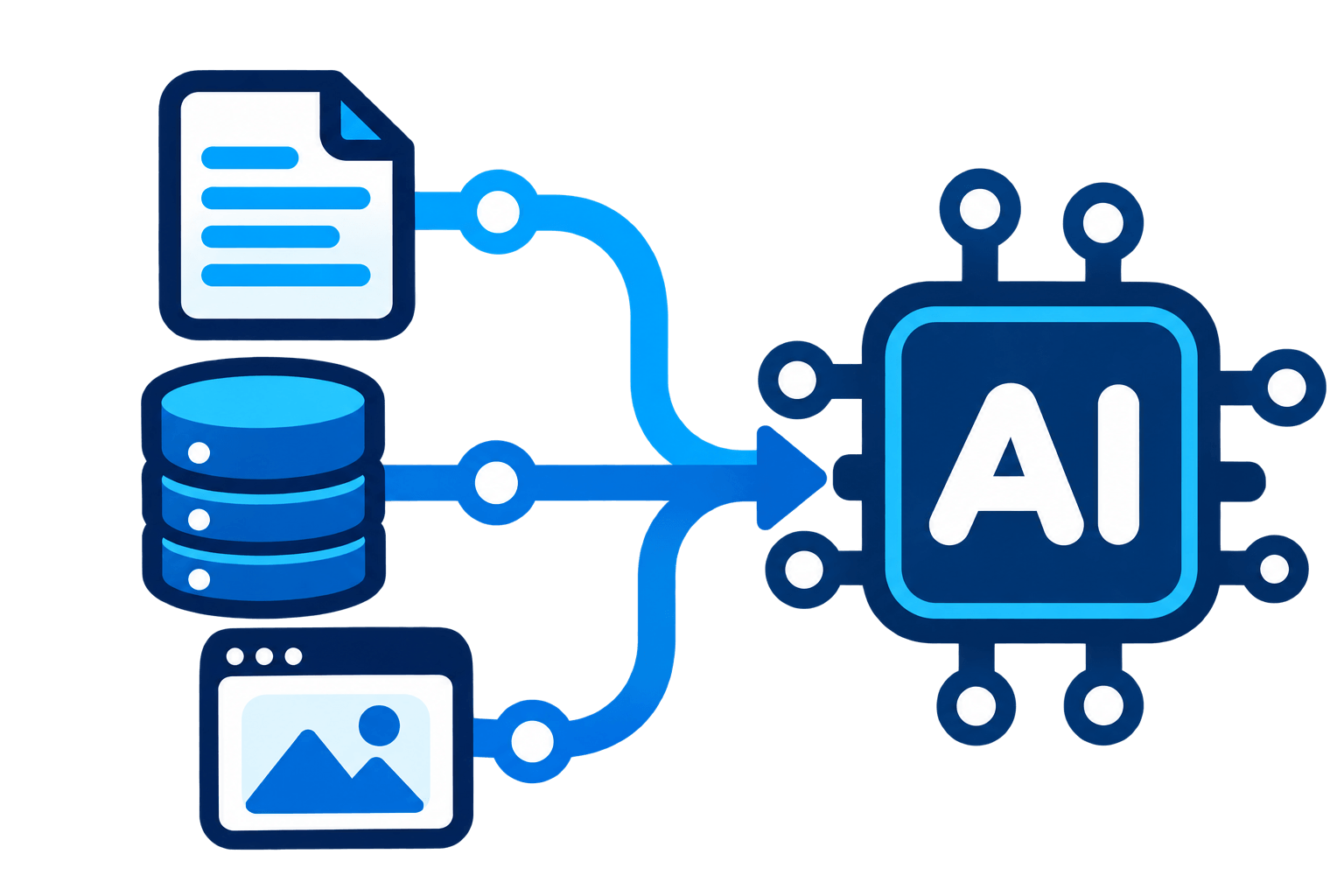
AI applications often need language data that represents different languages, markets, content types, and specialized domains. Morningside can support AI data collection workflows tailored to the project's linguistic and subject-matter requirements.
Multilingual annotation requires more than applying labels consistently. Linguistic context, terminology, cultural differences, and subject matter can affect how data should be interpreted and classified. Morningside can incorporate linguists and subject matter experts into annotation workflows where specialized expertise is required.
Human validation provides an additional quality layer for multilingual datasets and AI outputs. Morningside's network of linguists and subject matter experts can help evaluate language quality, consistency, meaning, and domain-specific requirements.
AI data workflows require defined quality criteria and appropriate controls for how data is collected, processed, reviewed, and evaluated. Morningside's established quality management processes and ISO 9001, 13485, and 17100 certifications provide an existing foundation for controlled multilingual content workflows.
Developing multilingual AI requires more than access to language data. Organizations need AI data that is appropriately collected, consistently annotated, linguistically validated, and evaluated against meaningful quality requirements. Morningside can combine multilingual language expertise, subject matter knowledge, human validation, and quality processes to support AI data programs from initial collection through evaluation and benchmarking.
AI data collection is the process of gathering and preparing data for use in training, evaluating, or improving artificial intelligence systems. For multilingual AI, this can include collecting text, audio, speech, and other language data across languages, domains, and use cases.
AI data annotation is the process of labeling or classifying data so that it can be used to train or evaluate an AI system. Multilingual annotation may require linguistic and subject matter expertise to account for language-specific meaning, terminology, and context.
AI systems that operate across languages require data that accurately represents the languages, terminology, content types, and contexts in which they will be used. High-quality multilingual data can help organizations evaluate and improve AI performance across different language environments.
Data benchmarking establishes defined measures for evaluating a dataset or AI performance. Comparing results against consistent benchmarks can help identify performance gaps, evaluate improvements, and determine where additional data or refinement may be needed.
AI data services can include multilingual data collection, annotation, transcription, human validation, dataset evaluation, quality assessment, and benchmarking. The appropriate combination depends on the AI application, data requirements, languages, and evaluation objectives.
Human validation can identify issues that automated processes may not reliably detect, including linguistic errors, contextual inconsistencies, terminology issues, and domain-specific problems. Linguists and subject matter experts can provide additional validation where language quality and specialized knowledge are important.